After you or the Configuration Workbench has set up your basic enterprise framework, you can extend it by setting up the additional organization structures that exist for your enterprise. You use internal organizations to represent the internal divisions or departments, and external organizations to represent the organizations outside of your enterprise for reporting or third-party payment purposes. External organizations can appear in your organization hierarchies together with internal organizations, and are defined in the same way.
See: Key Concepts for Representing Enterprises
You use classifications to define the purpose of an organization, see: Organization Classifications
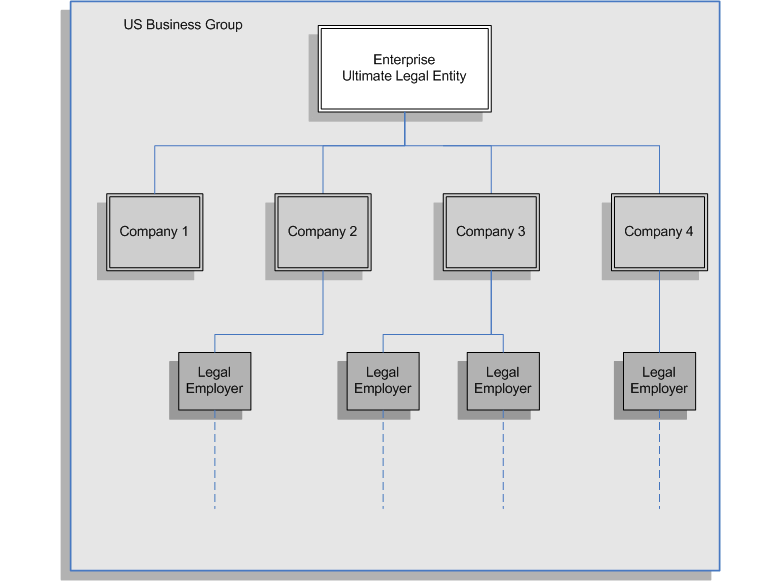
The following diagram demonstrates a basic enterprise structure, based on the multiple operating companies in one country configuration model. You generate the essential framework of your enterprise using the configuration model that suits your enterprise. The Configuration Workbench defines the basic structure of organizations in your enterprise and places them in an organization hierarchy.
See: Key Concepts for Representing Enterprises
Basic Enterprise Structure
The preceding diagram displays an enterprise based in the U.S. with four separate divisions represented by Companies 1 - 4. The Legal Employers are responsible for employing people and represent the designated employers for all employment-related activities.
The following diagrams are examples of how you can set up and include additional internal and external organizations in your organization hierarchy. Each diagram uses a separate legal employer to explain how you can set up different organizations for different purposes. You can, however, use the same legal employer for each type of setup. You will probably use a combination of the following examples.
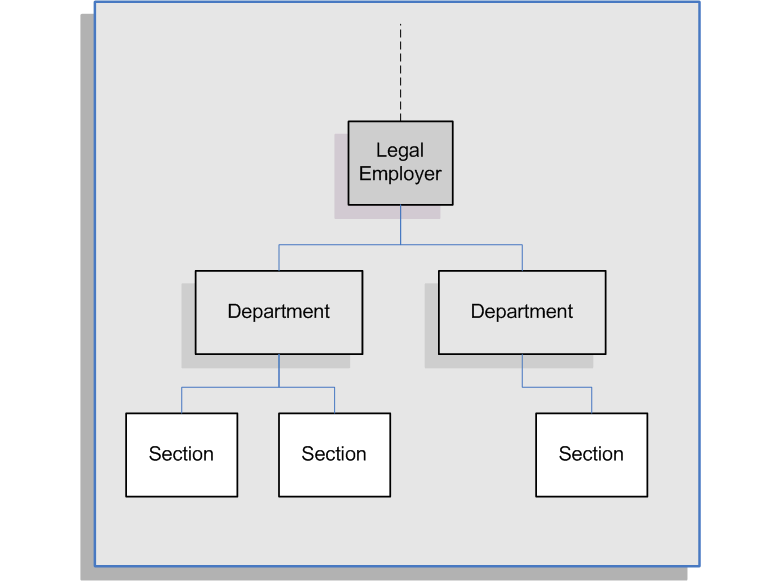
The organization setup in the preceding diagram represents a simplified structure of the different levels of management reporting. If your management reporting structures and your enterprise's costs are the same, then you can use roll-up reporting capabilities. For example, if you associate a cost center to an HR organization, you can record the payroll costs of the employees assigned to that organization, and the organizations below it in the hierarchy.
See: Internal Organizations and Cost Centers
You can also represent multiple or matrix reporting relationships by setting up one of more organization hierarchies. The organizations you set up can appear in one or several different hierarchies. The Configuration Workbench enables you to add new organizations on top of the basic enterprise structure using worksheets. You can then use the hierarchy diagrammers in Oracle HR to add or change the reporting lines.
See: Moving Organizations or Positions in a Hierarchy
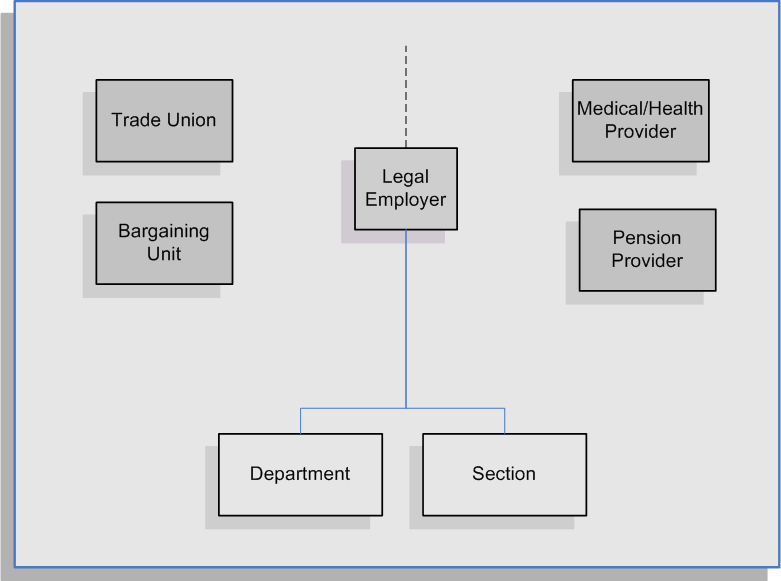
You can set up organizations to represent the benefit providers that supply benefits to the people in your enterprise. For example, in the preceding diagram, a pension provider and a medical/health provider are set up as external organizations in the business group. This set up provides your workforce in the Department and Section organizations with the opportunity to make pension contributions and receive medical cover from the benefit providers.
A trade union and bargaining unit are also set up as external organizations in the business group. These organizations represent the workers' representative bodies.
For more information on the classifications you can choose for your organizations, see: Organization Classifications
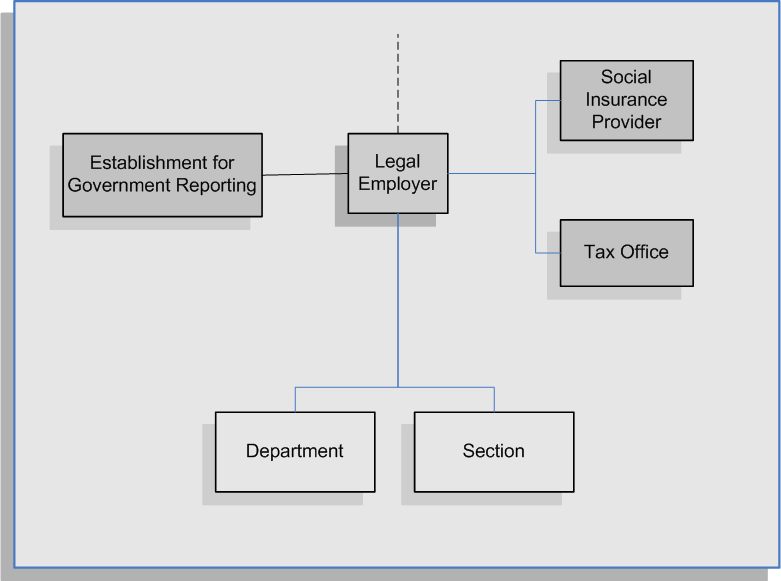
Using the preceding diagram as an example, you use external organizations to represent the government reporting offices outside of your enterprise, such as social insurance providers, tax offices, and establishments. Linking the external organizations to your internal organizations enables:
Your workforce to inherit the information that the external organizations provide.
You to efficiently record all of the government reporting details at the legal employer level, rather than at the person level.
You to meet statutory reporting requirements.